


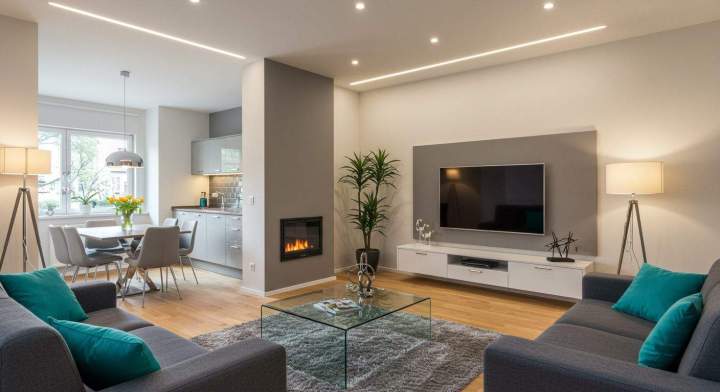
Older structures show age, slowly losing freshness in color and design. When walls lose luster or plumbing feels stuck in the past, change often helps. Sometimes room arrangements just feel off now, mismatched with how people live or work today. Renewing parts of a space brings it closer to what feels right. Instead of knocking everything down, updating key areas makes sense. Fresh details lift how things look, function, even what they’re worth. That kind of update skips starting over but still delivers real difference.
Outdated buildings gain new life through thoughtful changes. Walls get fresh color while rooms take on entirely different shapes. Some choose this path simply because starting over elsewhere costs too much. Personal touches fit better when adjusting what already exists. Comfort grows once layouts follow how people actually live now. Shifting styles find space without leaving the neighborhood. Value climbs quietly as improvements add up over time.
What Is Renovation?
Fixing up a building that stands already – that’s renovation. Instead of knocking it down to start fresh, people choose to refresh what’s there. Changes might be small or big, but the bones stay put. The goal isn’t replacement; it’s making old work better. Starting over builds something new – renovation gives time-worn spaces another chance.
This step might involve different jobs – like sorting items, checking details, running tests, or updating records
- Repairing damaged structures
- Updating outdated designs
- Improving energy efficiency
- Modernizing kitchens and bathrooms
- Enhancing overall comfort and usability
A fresh look might emerge when changes are handled with attention to detail, yet the bones of the room stay just as they were. What shifts is how light moves, how walls speak, how floors guide each step – without rewriting their history.
Benefits of Renovation
1. Increased Property Value
A fresh renovation often leads to a higher price tag on your home. Updated kitchens catch eyes, while new bathrooms add strong appeal – both pull interest from people looking to buy. Finishing touches inside can shift how the whole place feels, making it stand out when shown.
2. Improved Functionality
A room might feel stuck in the past, built for ways of living long gone. Yet a thoughtful update could open up space, tuck away clutter, even reshape how areas flow together.
3. Better Energy Efficiency
Some older structures lose heat because walls lack proper sealing, glass units are worn out, yet upgrades tackle these flaws. Fixing them might mean swapping fridges and ovens for models that sip power, stuffing cavities with fresh thermal barriers, switching bulbs to sleek electric options.
4. Improved Comfort and Look
A room feels different when it gets a new look – floors swapped out, walls brushed with today’s shades, pieces replaced. Comfort grows where updates settle in quietly. Beauty shows up more easily when everything fits now instead of then. Spaces breathe better once details align without trying too hard.
Renovation Project Types
Kitchen Renovation
Home cooks spend hours here, which makes it central to daily life. A fresh setup might mean swapping out old cupboards while fitting energy-saving fridges at the same time. Surfaces could change too, trading worn edges for tougher materials built to last. Movement through the room tends to improve when shelves shift position slightly.
Bathroom Renovation
A fresh coat of paint might start the transformation, while updated tiles give floors a clean look. Lighting shifts the mood when swapped for brighter options. Fixtures from recent designs bring ease into daily routines. Ventilation improves quietly but makes a difference over time. Small steps add up, turning ordinary spaces into something calmer, sharper. Function grows without needing extra square feet.
Interior Renovation
Inside changes aim to make rooms more pleasant. These could involve fresh floor coverings, updated wall colors, swapping out entryways, or including small design touches.
Exterior Renovation
Outside upgrades aim at how a building looks and holds up over time. Fixing roofs might come into play, while greenery gets shaped around the base. Walls take on fresh coats of paint now and then. The front face of the structure sees changes too, little by little.
planning a renovation that works
A well-done project begins with clear thinking plus steady effort. When it comes to remodeling, people living in the home need to weigh a few important things first.
Budget Planning
A limit on spending needs setting first. Figure out the total amount available, then divide it across supplies, workers’ pay, plus anything unforeseen that might pop up.
Design and Layout
A fresh eye from a designer might spark ideas you hadn’t considered – space opens up when form follows how you actually live. When choices serve purpose just as much as look, the result fits right without trying too hard.
Hiring Professionals
From start to finish, trained workers like builders, wiring experts, pipe fitters, and layout planners keep things running without risk or delay. Along the way, their know-how often leads to smarter choices on site.
Timeline Management
Timing matters when starting any job. When dates are set right, things tend to move without getting stuck. A steady pace keeps everything on track.
Renovation Styles Today
Styles shift slowly at home, yet updates often follow what feels fresh. Renovations catch that movement – mirroring how tastes twist through years.
Open Floor Plans
Open layouts often come together when people take down extra walls at home. Light moves easier through these areas because barriers get removed. Room connections feel smoother since space isn’t broken up so much.
Smart Home Technology
Some updates bring lights that adjust on their own, alarms tied to sensors, while kitchen tools respond when spoken to.
Sustainable Materials
Bamboo floors show up more these days, alongside reclaimed timber plus glass that cuts heat loss. Windows using less power now fit right into homes swapping old stuff out.
Minimalist Design
Out of today’s styles, calm shades stand out – thin edges, open areas where nothing feels packed. Minimal shapes flow easily when color stays soft, space breathes without stuff. Quiet arrangements now shape how rooms feel, minus extra details crowding the eye.
Common Renovation Challenges
Though starting a remodel feels thrilling, hurdles often show up too.
Unexpected Costs
Unexpected foundation flaws, faulty pipes, or ancient electrical systems can push costs higher.
Construction Delays
Few things might delay work – weather gets rough, materials run short, one crew waits on another. Delays pop up when rain stalls roofing, deliveries miss a window, electricians sit idle till framing finishes. Sometimes it just takes longer because clouds hang low, supplies get stuck somewhere far off, plumbers need walls open before they start.
Design Changes
A shift in what homeowners want mid-project happens more often than you’d think. When choices get swapped out, schedules tend to stretch. Costs creep up as plans pivot without warning. Each tweak nudges the whole thing off its original track.
Fewer problems pop up when plans are solid, while talking straight keeps builders on track.
Tips for a Smooth Renovation Process
To ensure a successful project, consider the following tips:
- Start with a clear plan and design concept
- Set a realistic budget with extra funds for emergencies
- Hire experienced professionals
- Choose durable and high-quality materials
- Keep close to how things move forward. Check in often on what’s happening. Watch each step without stepping back. Follow along consistently, never letting go of sight
Stress might ease when each step is followed, leading to an outcome that matches what was hoped for.
Conclusion
Renovating a space – be it house or office – often brings better ease, usefulness, higher worth. When changing just one area or overhauling every corner, folks reshape environments to match how they live, what they like.
Out here, where ideas meet real walls, careful thinking plus expert help shapes how spaces change. Old rooms gain fresh energy when someone pays close attention to every small part. Step by step, as styles shift and tools improve, updating what exists becomes a smart move. Instead of starting over, people reshape what stands – turning worn places into something that fits now.