


Every day now, tech slips into routines without much notice. Gadgets help get things done quicker, sometimes even fun. Smartphones sit beside watches that track steps and heartbeats. Earpieces float sound straight into ears – no wires needed. Homes turn smarter with lights and locks run by voice or touch. Tiny machines like these handle one job well, maybe brewing coffee, maybe counting sleep hours. They fit in pockets, clip onto clothes, stick to walls. A gadget means something clever built small, made to solve little problems. Dictionaries call them helpful tools, fresh ideas shaped into plastic and metal.
Nowadays, devices change fast because of smarter software, better links between machines, smaller parts. Today’s tech does more than work – it sticks around, keeps folks in touch, gets things done, brings fun now and then. What even counts as a gadget? There are many kinds – each one helps differently. Some sit in pockets, others wear on wrists or talk back when asked. They make tasks easier, save time, sometimes replace older tools altogether. Phones, smart speakers, fitness bands show how deep they’ve woven into daily moments. Life moves different with them nearby – not always louder, just altered, shaped by quiet beeps and glowing screens.
What Are Gadgets?
A tiny tool might handle one job well, working fast without fuss. Often it slips right into a pocket, built clever on the inside. Communication finds help here, just like games do, along with staying organized. Tracking body signs fits neatly too, even making lights turn on by themselves.
Gadgets tend to be compact, nothing like the bulk of big machinery. Wireless links tie most today’s devices together, so a phone or computer can manage them from afar.
Types of Gadgets
Now here’s a thing – tools shaped for different jobs show up everywhere. Take these usual kinds, for example
1. Communication Gadgets
From quick chats to long talks – devices like phones, tablets, and laptops keep conversations moving. Messages fly through the air when someone taps a screen. Video calls bring faces together across distances without delay. Browsing happens fast, jumping from page to page with ease. Social networks open up once fingers touch glass.
A tiny computer fits in your hand now, thanks to beefy chips inside. Take the Asus Zenfone 12 Ultra – its screen glows sharp and deep with AMOLED tech. Instead of just calling people, it snaps photos that rival old-school cameras. Running on smart software, it juggles tasks without slowing down. Because of upgrades like these, phones do way more than ring.
2. Entertainment Gadgets
Playing around with tech toys brings joy and calm moments. Gaming machines sit alongside big-screen TVs, sound systems that skip wires, while goggles for fake worlds join the mix too.
Folks today often find their living rooms filled with screens that light up using slick new methods, yet also link right into endless streams of shows. Starting fresh each evening might mean diving into films, tapping through levels in a game, or just getting lost inside vivid online worlds without stepping outside.
3. Wearable Gadgets
Strapped onto you, wearable gadgets stick close through the day. Think of things like smartwatches – always ticking along with your moves. Fitness trackers follow steps, heart rates, often tucked on a wrist. Even rings now pack tech, sliding on just like any band. Each one blends into daily life without much fuss.
Folks are starting to wear gadgets that follow things like how fast their heart beats, when they sleep, and just how much they move each day. Because these tools make checking up on yourself easier, more people find them useful for living a bit better.
4. Smart Home Gadgets
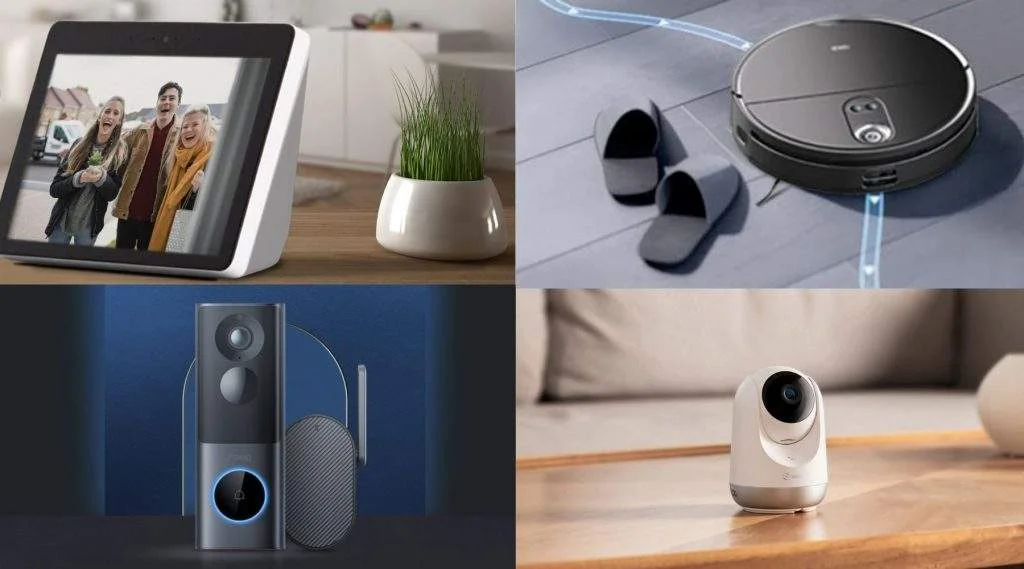
Out of nowhere, lights turn on by themselves when it gets dark. Speakers that listen wait quietly in corners, ready to play music after a quiet word. Temperature adjusts itself before you even notice it’s too cold. Cleaning the floor? A small machine does it while you sit down. Each one works alone, yet fits into daily life like it was always meant to be there.
With just a few words spoken aloud or taps on a phone screen, lots of home gadgets respond instantly. Lights go dark when told, thermostats shift settings without touch, while cameras stay watchful from anywhere nearby.
5. Productivity Gadgets
Not long ago, tools like tablets began changing how tasks get done. A digital notebook might sit open on a desk where paper once ruled. Some carry portable projectors into small meeting rooms. Laptops, smarter now, handle what older machines struggled with.
A few clever gadgets mix more than one kind of tech inside them. Take some machines that act like both laptops and tablets – these let people shift from work mode to fun without swapping devices.
Popular Modern Gadgets
Each year, tech firms unveil fresh devices packed with novel details plus updated looks. Right now, standout electronics people reach for are:
- Smartphones with advanced AI capabilities
- Smartwatches for health tracking
- Wireless earbuds with noise cancellation
- Portable power banks
- Smart home assistants
- AR and VR headsets
Out of nowhere, gadgets like mixed-reality headsets are showing up more often. These tools team up with smart wearables driven by artificial intelligence. Immersion sneaks into daily tasks through these visuals and sounds. Help arrives quietly, built right into the gear people carry. Intelligence weaves itself into what users touch each day.
Benefits of Gadgets
1. Convenience
Folks find life simpler with gadgets around. From a single gadget like smartphones, handling messages, plans, or chatting happens without switching tools.
2. Time Saving
Once upon a time, people had to sweep every day. Now machines handle it without anyone lifting a finger. Floors get cleaned while you do something else entirely. These little robots move around on their own. They find dust where you least expect. No need to push anything anymore. Watching them work feels strange at first. Yet they keep going when nobody’s looking. Even corners become spotless by themselves.
3. Improved Communication
From far-off places, folks keep in touch using devices made for chatting across distances. These tools link loved ones, work partners, even distant relatives without needing everyone nearby.
4. Entertainment and Relaxation
Flick on a console, grab snacks, settle into the couch – screens light up with shows, games, movies. A streaming stick hums, loading favorites without delay. Televisions think now, responding to voices or remotes. Play shifts between platforms like channels flipping themselves. Each gadget offers its own path to watch, listen, lose track of time.
5. Health Monitoring
Wearable gadgets help users track their health, exercise routines, and sleep quality.
Ai In Today’s Devices
These days, plenty of gadgets come built with artificial smarts. Because of that, they figure out what users like over time. Doing chores on their own? That happens more now. Getting things just right for one person – yeah, that’s part of it too.
Imagine snapping photos on your phone – suddenly they look sharper, brighter, almost like magic. Music queues build themselves based on what you’ve played before, sometimes predicting your mood. Movie picks show up that somehow feel personal, tailored without effort. Your voice assistant learns how you speak, responds faster each week. Devices track heartbeats, steps, sleep patterns quietly in the background. Health insights appear when needed, subtle nudges toward better habits.
What gadgets might look like later
The future of gadgets looks exciting as technology continues to advance. Some trends expected to shape the future include:
1. Smarter Wearable Devices
Health tracking gets sharper as wearable tools grow smarter. New features arrive quietly through better sensors. These devices start reading deeper signs of body activity. More data flows into daily routines without extra effort. Subtle shifts in wellness show up earlier now. Extra insights come alive on familiar wrist displays.
2. Augmented Reality Meets Virtual Reality
Games, learning, or job practice – devices like AR and VR make it feel real. From headsets to smart glasses, immersion comes alive through sight and sound layered into daily spaces. These tools pull users inside digital environments instead of just showing a screen. Experiences shift from watching to doing, placing people right in the middle of action or lessons. Training becomes hands-on without needing physical setups nearby.
3. Smart Home Automation
Folks might start seeing their houses light up with gizmos chatting to one another, quietly handling chores without being told each time. A quiet shift happens when appliances begin moving in rhythm, like a team that knows the plan without speaking.
4. AI-Powered Personal Assistants
Expect smarter helpers in tomorrow’s devices, thinking ahead plus handling tougher jobs without constant guidance. These tools won’t just respond – they’ll anticipate moves while adapting on their own.
5. Miniaturization of Technology
Folks might notice devices shrinking, yet somehow packing stronger abilities along with extended power between charges.
Conclusion
Every day feels different because of the tools we carry. These little machines make chores easier while opening new ways to talk plus share moments across distances. Phones wrap around wrists now, blending into routines like morning coffee. Even homes think differently these days, lights shifting without touch. Progress doesn’t shout – it just shows up quietly in pockets and corners.
Folks might find tomorrow’s tools already whispering advice, learning quirks, fitting routines like a worn-in jacket. Because brains made of code grow sharper every day, devices adapt – linking up, sensing needs, shifting tasks without being told. Surprising how quietly machines now nudge habits, reshape chores, redraw the lines between doing and thinking.