


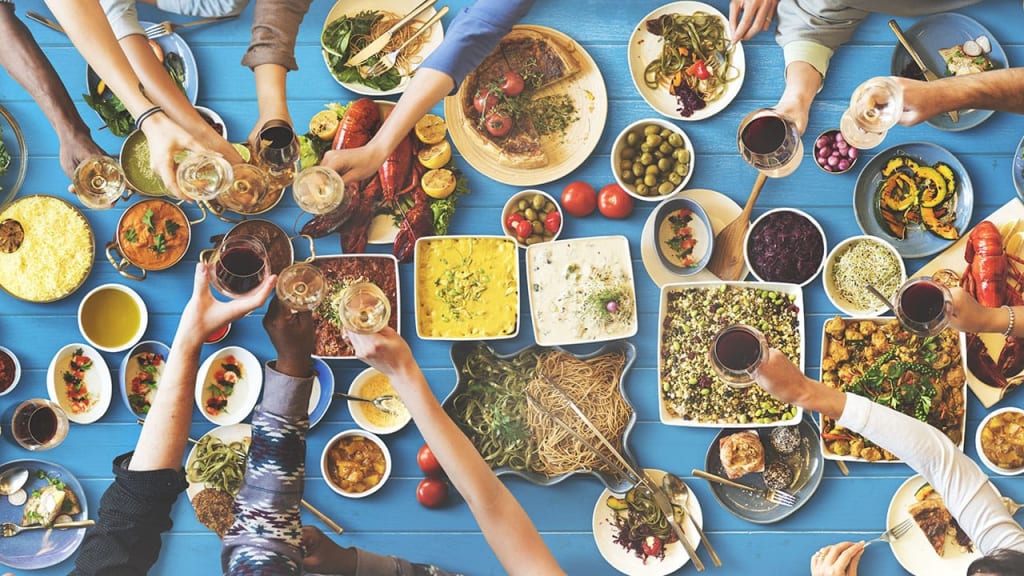
Meals show who we are – what grows nearby, what stories get passed down. Wherever you go, flavors speak of old routines and shared memories. Spices whisper where trade routes once ran; fire and time reveal daily rhythms. Centuries shaped how pots are stirred, ovens heated, grains ground. Tasting a dish means touching someone’s past without saying a word. What sits on a plate carries weight beyond hunger – it holds place, memory, care.
The Role of Food in Culture
Cooking in a certain way gives rise to what we call cuisine, usually tied to one place or people. From one area to another, these traditions stand apart – built on local foods, methods passed down, how dishes are served. Taste becomes a kind of signature, shaped by history, land, habit. What ends up on the plate tells you where it came from.
Taste of home ties folks to where they come from. Old recipes travel from one generation to the next, carrying memories along the way. During festivals, kitchens fill with relatives preparing familiar foods side by side. Shared cooking warms relationships just as much as the stovetop does. Holidays become quiet acts of keeping history close.
Folks journey far not just for sights but to taste how people truly eat. Dishes tell stories beyond borders while filling pockets and plates alike. Street stalls, eateries, maybe even a roadside grill – these spots shape neighborhoods and feed economies. Tasting what locals cook daily gives visitors more than flavor – it offers rhythm, routine, real life.
How Land Shapes Food
Fresh flavors start where the land shapes what people eat. When rain falls steady, crops grow strong – this changes how meals come together across places. Near oceans, nets bring dinner straight from water into pots simmering with salt and herbs. Up high among rocky slopes, animals graze slow and grain fills bowls thick with warmth.
Take the Mediterranean, where olives drip oil onto plates beside bright tomatoes and fish just off the boat. Over in parts of Asia, meals breathe through steam rising from bowls of rice tangled with noodles, spiced by what grows nearby. Taste changes with the land because soil, sea, and sun guide how food is cooked. What you find outside your door shapes dinner without anyone needing to plan it.
Food changes when people move or travel far. Because traders carried spices and goods, kitchens began using flavors from distant lands. When different ways of eating meet, one pot might hold stories from many places. Slowly, old recipes start wearing new tastes like borrowed clothes.
Traditional Cooking Techniques
From fire to fermentation, how food gets cooked shapes a culture’s taste. Over time, people figured out ways to make their homegrown foods shine. Grills char it, ovens roast it, steam lifts flavor without burning, pans crisp it up, while slow changes happen when things sit and sour naturally.
Besides being common worldwide, grilling brings out how meat and veggies really taste. In Asia, cooks frequently steam food so it keeps good stuff inside while turning soft. Long ago people started fermenting things, a method now behind items such as yogurt, kimchi, and pickled cucumbers.
Folks once kept meals edible through smoke, time, or salt – long before cold boxes hummed in corners. Taste came along for the ride, sure, yet survival sparked these techniques first. What began as necessity slowly shaped what we now call local flavor.
Modern Trends in Cuisine
Fresh twists in how people live have shifted the way food is made lately. Instead of sticking to old ways, cooks now twist traditions using tools from far-off kitchens. A touch of Asia meets a dash of Europe, shaping tastes that feel both strange and familiar. Machines help too, nudging recipes into spaces once thought impossible. These kitchen changes didn’t come overnight – slow shifts pulled flavor forward.
Fresh ideas about food are changing how dishes get made. Because of this, more folks choose items like organic produce or meals without meat. Chefs, along with those cooking at home, find new methods to make healthy plates taste deep and satisfying.
Out here, caring for the planet shapes how some chefs work. Rather than toss scraps, they rethink leftovers, giving them new life on the plate. Close-by farms supply much of what ends up in their kitchens. Taste gains depth when ingredients travel fewer miles. Working this way ties meals to place, making each bite feel more grounded.
The World S Likes Some Foods More Than Others
Folks now taste dishes from distant places more easily thanks to how connected the planet has become. Travel across borders, videos online, along with televised kitchens, expose eaters to many tastes and ways meals come together.
Across big cities now, you’ll spot eateries serving meals from faraway places. Trying something different on a plate brings its own quiet thrill. With each bite, understanding grows – not just of flavors, but where they come from. Moments like these quietly stretch what we know about how others eat.
Out there among bustling crowds, food festivals give cooks a stage to shine. Instead of just serving meals, they tell stories through flavors from faraway places. While one chef stirs a spicy stew, another plates delicate dumplings with care. Through these moments, different traditions find common ground on a plate. Even small dishes carry weight when shared at such gatherings.
Cooking as Creative Expression
Art lives where food becomes more than just eating. A chef might mix sharp tastes with soft ones, guided by instinct rather than rules. Look matters – how things sit on the plate can change how they taste in your mouth. Moments stick when sight joins flavor in the right way.
Most societies value cooking as a serious trade. Years pass before kitchen workers fully grasp what they do. Still, through steady effort, old tastes stay alive even as fresh ones appear now and then.
Finding joy in the kitchen often happens after a long day. Some folks mix things up just to see what works better for them instead of following steps exactly. That kind of freedom makes food feel alive over time.
Conclusion
Taste carries stories, not just recipes. From one place to another, what ends up on plates tells you where folks came from, how they live, even what they care about. Because the world links up more every day, meals once thought unusual now find welcome at many tables.
Trying out dishes from around the world opens doors to unfamiliar flavors, along with the histories they carry. From neighborhood diners to home stoves abroad, food becomes a quiet force that honors tradition while connecting strangers across tables.